Creating a home office space that balances coziness and functionality is more important than ever. Whether you’re working remotely, freelancing, or managing household tasks, having a dedicated area that feels inviting and supports your workflow can boost productivity and reduce stress. In this post, we’ll explore simple yet effective tips to design a home office that encourages focus while maintaining comfort.
Choose the Right Location
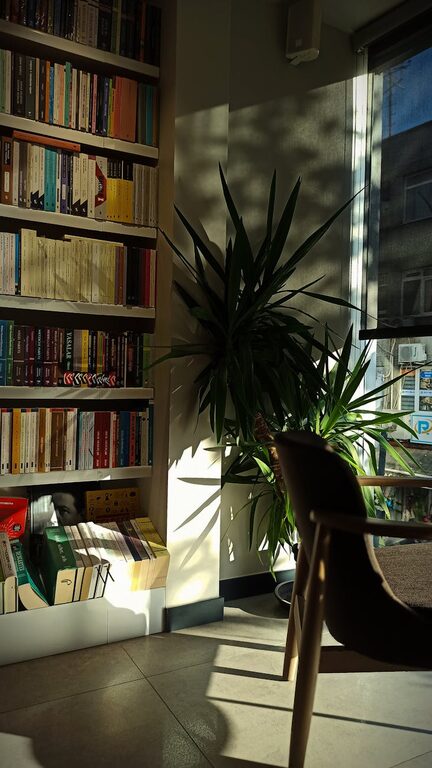
The foundation of a great home office is its location. Ideally, select a spot with enough space for your desk and equipment, good natural light, and minimal distractions.
– Natural Light: Position your workspace near a window if possible. Natural light improves mood and alertness.
– Privacy: Pick a quiet corner or a room where you can close the door to reduce noise and interruptions.
– Avoid High-Traffic Areas: Stay away from noisy places like the kitchen or living room during busy hours.
Invest in Comfortable, Ergonomic Furniture
Comfort is key to sustaining long hours of work. Ergonomic furniture supports your posture and prevents discomfort.
– Desk: Choose a desk with enough surface area for your computer, notes, and essential tools. Adjustable desks that allow standing and sitting are great for health.
– Chair: Invest in an ergonomic chair that supports your back and encourages proper posture. Adjustable height and lumbar support are nice features.
– Accessories: Use a footrest, keyboard tray, or monitor stand if needed to align your setup ergonomically.
Personalize with Warm and Inviting Décor
Make your office space feel cozy and inspiring by adding personal touches but avoid clutter.
– Colors: Soothing colors like soft blues, greens, or neutrals can help create a calm atmosphere. Avoid overly bright or harsh hues.
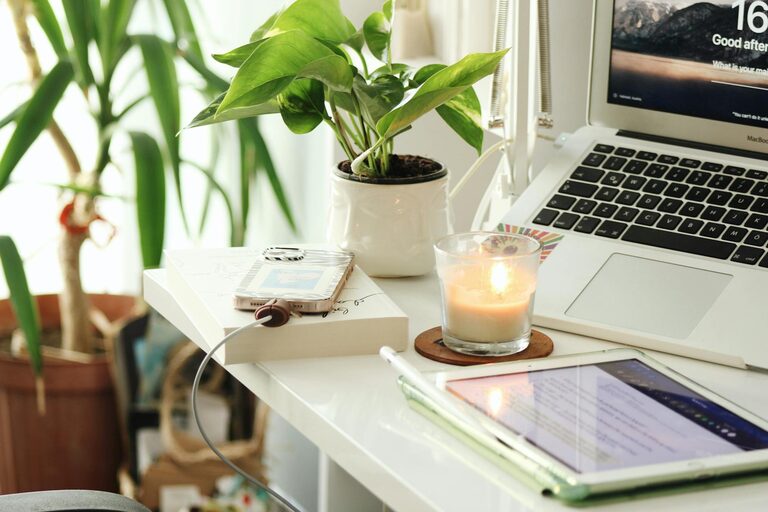
– Plants: Adding a few houseplants can improve air quality and bring a sense of freshness.
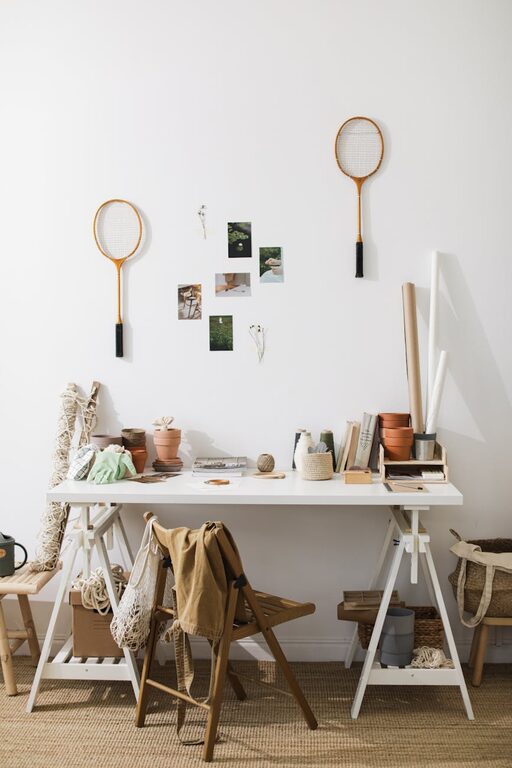
– Artwork and Photos: Display artwork or photos that motivate or relax you.
– Textiles: Incorporate soft rugs, cushions, or throws to add warmth and texture.
Organize for Efficiency
An organized space reduces distractions and helps maintain focus.
– Storage Solutions: Use shelves, filing cabinets, or baskets to keep supplies tidy.
– Declutter Regularly: Remove unnecessary items to keep the workspace clean.
– Cable Management: Use clips or cable covers to prevent cords from tangling and creating visual chaos.
Optimize Lighting
Beyond natural light, the right supplementary lighting makes a difference.
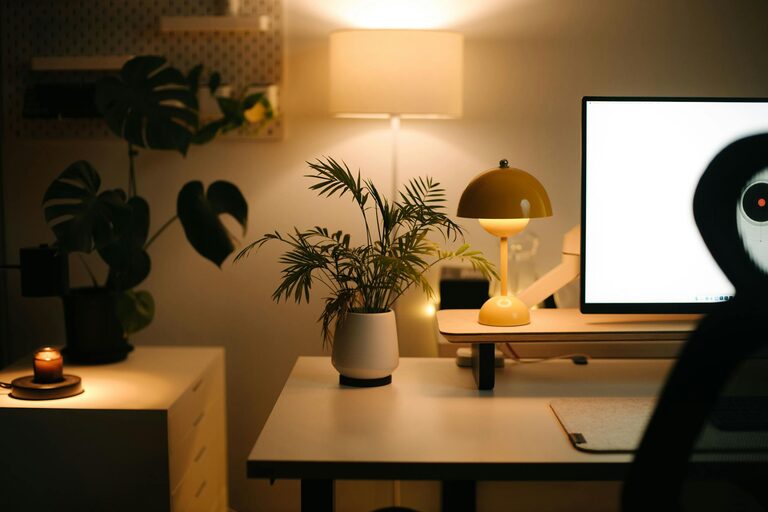
– Task Lighting: Use a desk lamp with adjustable brightness to illuminate your work area.
– Ambient Lighting: Soft background lighting reduces eye strain and creates a comfortable environment.
– Avoid Glare: Position your screen and light sources carefully to prevent reflections and glare.
Incorporate Technology Thoughtfully
Technology is essential but should not overwhelm your space.
– Reliable Equipment: Invest in a good computer, printer, or other devices relevant to your work.
– Wireless Options: Use wireless keyboards, mouse, and headphones to cut down on wires.
– Charging Stations: Designate a spot for charging devices to keep them organized and ready.
Create a Routine-Friendly Environment
Design your space to support a healthy work routine.
– Break Area: If space allows, have a small area with a comfortable chair or cushion for short breaks.
– Inspiration Board: Use a corkboard or whiteboard to pin goals, to-do lists, or motivational quotes.
– Minimize Distractions: Keep personal items and non-work-related gadgets out of sight during work hours.
Maintain Flexibility
Your needs may change over time, so design a space that can adapt.
– Modular Furniture: Use pieces that can be rearranged or repurposed easily.
– Multi-Purpose Space: Create zones that can serve more than one function, like a desk that doubles as a craft table.
—
Final Thoughts
Designing a cozy, functional home office is about balancing comfort with productivity. By focusing on location, ergonomic furniture, thoughtful organization, and personal touches, you can create a space that makes working from home enjoyable and efficient. Remember, your home office should reflect your style and support your workflow, making it a place where you want to spend your time.
Take your time setting up your space, and don’t hesitate to tweak it as you discover what works best for you. A well-designed home office can transform your workday and improve your overall well-being.