
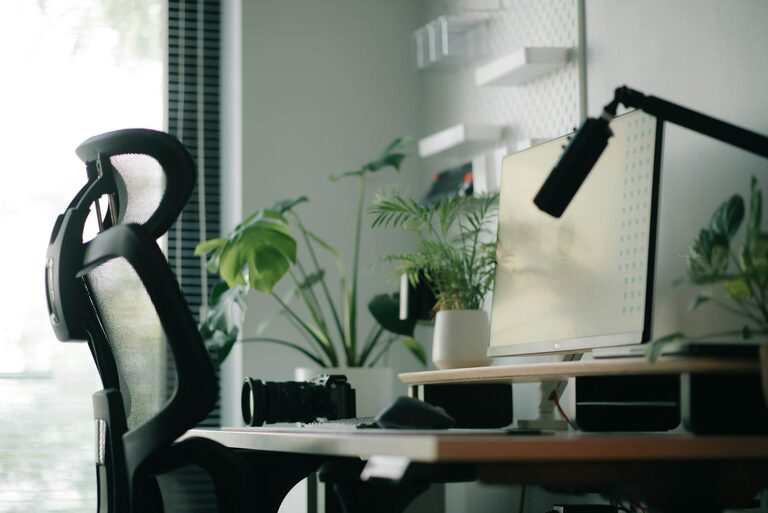
Creating a home office that is both cozy and functional can significantly improve your work-from-home experience. Whether you have a dedicated room or just a corner in your living space, thoughtful design can make a big difference. In this post, we’ll explore practical tips to help you set up a home office that encourages efficiency and comfort.
Choosing the Right Location
Your home office location plays a crucial role in how well you can focus. Here are some factors to consider:
– Natural Light: If possible, select a spot near a window. Natural light can boost mood and reduce eye strain.
– Quiet Area: Choose a space away from household noise and distractions.
– Privacy: Make sure you have enough privacy to take calls or concentrate without interruptions.
If space is limited, even a well-organized corner with a small desk can become a great workspace.
Investing in Comfortable Furniture
Comfort directly impacts productivity. When selecting furniture:
– Ergonomic Chair: A good chair supports your back and promotes proper posture.
– Desk Height: Ensure your desk height allows your arms to rest comfortably while typing.
– Adjustable Options: Consider adjustable desks or chairs to personalize your setup.
Comfortable furniture helps prevent fatigue and discomfort during long work hours.
Lighting: Balancing Function and Ambiance
Proper lighting is key to a cozy and efficient office:
– Task Lighting: Use a desk lamp to illuminate your work area without glare.
– Ambient Lighting: Soft overhead or wall lighting adds warmth to the space.
– Reduce Screen Glare: Position your monitor perpendicular to windows and use curtains or blinds to control brightness.
A well-lit office reduces eye strain and creates an inviting atmosphere.
Organizing for Efficiency
Clutter can decrease productivity. Here’s how to stay organized:
– Storage Solutions: Use shelves, filing cabinets, or storage boxes to keep documents and supplies tidy.
– Desk Organizers: Invest in organizers for pens, papers, and electronics.
– Cable Management: Use clips and ties to keep cords neat and avoid tangles.
Regularly declutter to maintain a clear and inspiring workspace.
Personalizing Your Office
Adding personal touches can make your office feel more welcoming:
– Plants: Small indoor plants improve air quality and add freshness.
– Artwork or Photos: Hang your favorite pieces or family photos for inspiration.
– Color Scheme: Choose calming colors like soft blues, greens, or neutrals to create a soothing environment.
A personalized space can increase motivation and make working from home more enjoyable.
Incorporating Functional Technology
Technology should support your workflow smoothly:
– Reliable Internet: Ensure you have a stable internet connection.
– Quality Equipment: Use a good monitor, keyboard, and mouse for comfort and efficiency.
– Charging Stations: Set up charging points for your devices to keep them powered without clutter.
Technology that works seamlessly reduces frustration and saves time.
Creating Boundaries Between Work and Home Life
Maintaining clear boundaries helps in work-life balance:
– Defined Work Hours: Stick to a schedule and use your office only during those hours.
– Separate Storage: Keep work materials confined to the office space to avoid spillover.
– Routine: Establish rituals like starting with a short walk or changing into work clothes to prepare mentally.
Separation between work and leisure areas helps you relax when the workday ends.
Adding Comfort Elements
Small details can boost comfort and well-being:
– Rug or Cushion: Add a soft rug or seat cushion for warmth and comfort.
– Temperature Control: Use fans, heaters, or open windows to keep the temperature pleasant.
– Aromatherapy: Lightly scented candles or essential oil diffusers can create a calming atmosphere.
Comfortable touches make the office feel more like a personal retreat.
—
By thoughtfully combining these tips, you can create a home office that is both cozy and functional. A well-designed workspace not only enhances productivity but also makes working from home an enjoyable experience. Start small, assess your needs, and adapt your space to what feels best for you. Happy decorating!